How to Choose the Right Air Compressor for Your Needs?
Choosing the right Air Compressor is crucial for various tasks. Whether you are a DIY enthusiast or a professional, knowing your needs is essential. Air compressors power tools, inflate tires, and assist in spray painting. With so many options available, making a decision can be overwhelming.
When selecting an air compressor, consider the required pressure and volume. Different projects demand different specifications. A small air compressor may suffice for simple tasks like inflating sports equipment. However, heavy-duty jobs require a more powerful unit. Therefore, understanding your specific requirements is key.
Many people overlook the importance of portability. A heavy compressor can limit where you work. If you often move locations, a lightweight model is preferable. Think about the noise level, too. Some compressors are loud, which might be disruptive in a residential area. Finding the right balance among these factors can lead to better efficiency and satisfaction in your tasks.
Understanding Different Types of Air Compressors Available in the Market
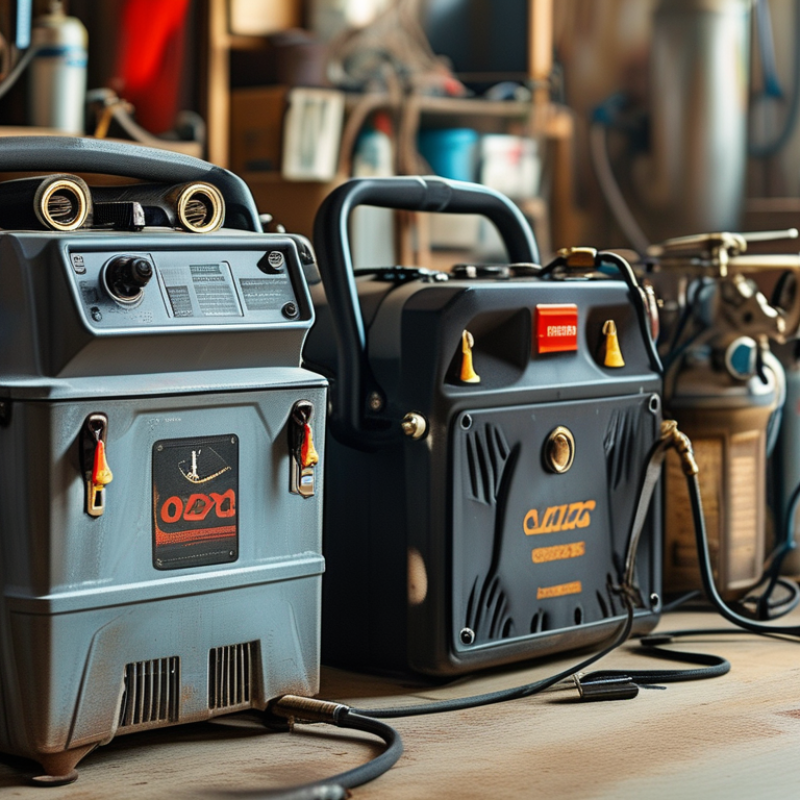
When choosing an air compressor, understanding the different types available is essential. Compressors mainly fall into two categories: reciprocating and rotary screw. Reciprocating compressors are widely known for their effectiveness in various tasks. These use pistons to compress air and are suitable for smaller jobs like inflating tires or powering pneumatic tools.
Rotary screw compressors, on the other hand, handle larger demands. They are ideal for continuous operation in commercial or industrial settings. These compressors utilize two helical screws to compress air, offering a steady airflow. However, they tend to be bulkier and more expensive, which may not suit every budget.
In addition to these main types, you can find models that are oil-free, portable, or designed for specific applications. It's important to reflect on your specific needs and space constraints. Choosing a compressor is a balance between your requirements and budget limitations. Take the time to research thoroughly and assess your options carefully to make an informed choice.
Identifying Your Specific Air Compressor Needs and Applications
When choosing an air compressor, understanding your specific needs is crucial. Consider the required pressure and volume for your tasks. For instance, painting or inflating tires requires different outputs. A compressor that works well for one application may not suit another. Be clear about your projects to avoid mismatches.
Look into the compressor types available. Portable models offer mobility but may lack power. Conversely, stationary compressors provide robust performance but require dedicated space. Evaluate the frequency of use as well. Occasional tasks don’t justify high-end models. Sometimes, a simple solution suffices.
Assess accessories or tools you will use with the compressor. Will you need hoses, regulators, or special fittings? Each item can impact overall efficiency. Remember, your requirements might change. A compressor that meets your needs now may not be suitable later. Be prepared to adapt your choice as projects evolve.
Evaluating Specifications: Pressure, Volume, and Power Requirements
Choosing the right air compressor requires a careful evaluation of its specifications. Key factors like pressure, volume, and power must align with your needs. Pressure is measured in PSI, which indicates the force the compressor can deliver. Higher PSI is essential for tasks like spray painting or inflating tires. However, not every task requires maximum pressure. Understanding this helps prevent over-specification, which can lead to unnecessary noise and energy consumption.
Volume is another crucial element. It refers to the airflow rate, measured in CFM. A higher CFM is necessary for continuous work on pneumatic tools. If you choose a unit with too low CFM, the tool might run out of air, which can disrupt workflow. Yet, overly high volume isn't always efficient. It can mean extra costs and wastage in energy.
Power requirements also play a significant role. Consider whether you need a portable or stationary compressor. Stationary models provide better power supply, while portable ones offer flexibility. Reflecting on your actual usage can guide your choice. Avoid being swayed by flashy features. Focus on practicality and advice from experienced users in the field. An informed choice can enhance productivity while minimizing waste.
Air Compressor Specifications Overview
Considering Portability and Storage for Your Chosen Air Compressor
When choosing an air compressor, portability and storage are paramount. A unit's weight and size greatly affect its usability. For example, some models weigh over 100 pounds, making them difficult to transport. Compact models, around 30-50 pounds, are often ideal for both DIY enthusiasts and professionals.
Tips: Consider dimensions before making a purchase. Check if the compressor fits in your workspace. A portable model should easily fit in your trunk or garage.
In a recent industry report by the Compression Association, approximately 70% of users prefer portable compressors for convenience. This statistic shows the growing demand for versatile, easy-to-store equipment. Look for models with built-in handles or wheels. They enhance mobility significantly.
It’s also worth reflecting on storage options. Compressors typically need protection from dust and moisture. Storing in a clean, dry place can extend their lifetime. Aim for a designated spot that prevents accidental damage. Weighing portability against storage solutions helps you make a well-informed decision.
How to Choose the Right Air Compressor for Your Needs? - Considering Portability and Storage for Your Chosen Air Compressor
| Air Compressor Type | Portability | Storage Requirements | Best Uses |
| Portable Air Compressor | Lightweight, Easy to carry | Minimum storage space | Inflating tires, small tools |
| Stationary Air Compressor | Fixed location | Requires dedicated space | Construction, heavy-duty tools |
| Utility Air Compressor | Moderate portability | Compact, but requires some space | Painting, airbrushing |
| Electric Air Compressor | Usually not portable | Requires plug-in, larger footprint | Various DIY projects |
| Gas Air Compressor | Highly portable, can be used off-grid | Larger than electric models | Outdoor applications, remote jobs |
Budgeting for Purchase and Maintenance Costs of Air Compressors
When budgeting for an air compressor, it’s essential to consider both initial purchase costs and ongoing maintenance expenses. The initial cost typically varies based on the compressor type. According to industry reports, the average price for a small portable unit can range from $150 to $500. Larger and more powerful units can reach $3,000 or more.
Maintenance costs are often overlooked. Regular servicing can prevent costly breakdowns. Industry surveys indicate that maintenance can account for up to 15% of the total lifecycle cost of an air compressor. This includes factors such as oil changes, filter replacements, and routine inspections. Neglecting these can lead to reduced efficiency over time.
Many users underestimate the cost of electricity as well. A compressed air system can consume significant power. According to the U.S. Department of Energy, up to 30% of energy in compressed air systems is wasted. Understanding these figures helps users make informed decisions. Balancing the upfront investment with long-term operational costs is critical.




