How to Choose the Best Drone Lithium Battery for Your Needs?
Choosing the right Drone Lithium Battery can greatly affect your flying experience. Whether you are a hobbyist or a seasoned professional, understanding battery specifications is crucial. The market offers various options, making it challenging to find what suits you best.
Consider the battery capacity. A higher capacity generally means longer flight times. However, more weight may impact your drone's performance. Also, look at the voltage rating; it determines how powerful your drone can operate. Be aware that not all drones are compatible with every battery. Researching compatibility will save you from potential damage.
Safety is also paramount. Low-quality batteries can pose risks. Always opt for reputable brands and manufacturers. It’s essential to recognize that price reflects quality. While a cheaper option may seem tempting, it could lead to frustration or malfunction. Reflect on your flying needs; a well-chosen Drone Lithium Battery can enhance your aerial adventures significantly.
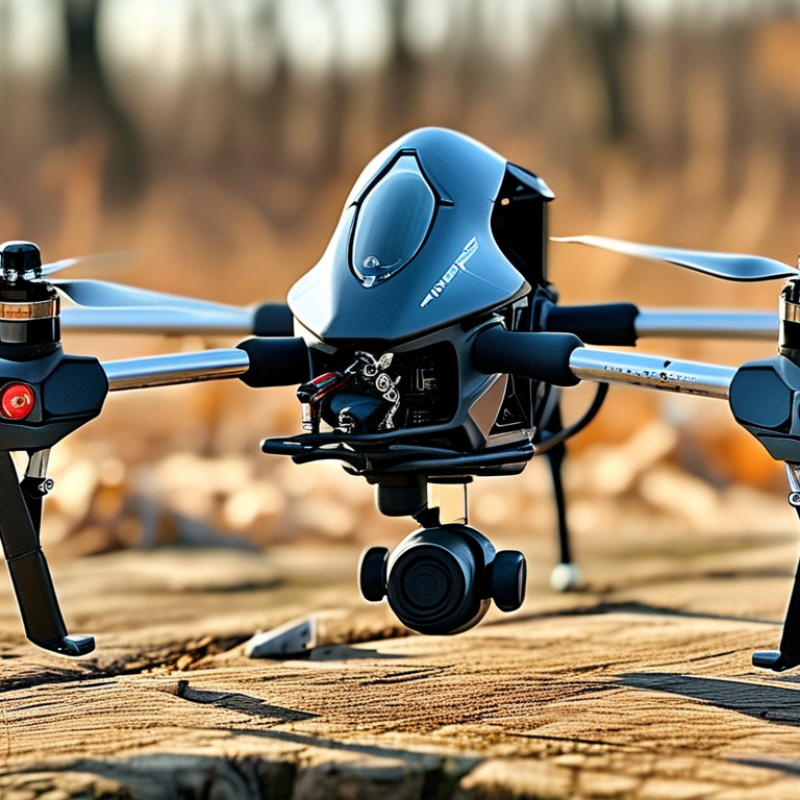
Understanding Drone Lithium Battery Types and Specifications
When selecting a lithium battery for your drone, understanding battery types is crucial. Lithium Polymer (LiPo) batteries are widely used for their lightweight design and high discharge rates. They deliver excellent performance but require careful handling. Improper charging can lead to hazards. Lithium-Ion (Li-Ion) batteries offer better energy density, making them ideal for longer flights. They are more robust but tend to be heavier than LiPo batteries.
Each type of battery has specific specifications to consider. Voltage, measured in volts (V), affects your drone's power output. Capacity, measured in milliampere-hours (mAh), indicates how long your drone can fly. C-rating, which shows the discharge rate, is also essential. A higher C-rating means more power during flight.
When choosing a battery, think about your flying style. Are you racing or enjoying aerial photography? The battery choice impacts performance and safety. Despite the advantages, users should be aware of the risks involved. Overheating and damage during charging are common issues. Reflecting on these factors can lead to more informed decisions.
How to Choose the Best Drone Lithium Battery for Your Needs?
| Battery Type | Voltage (V) | Capacity (mAh) | Discharge Rate (C) | Weight (g) | Typical Usage |
| LiPo 3S | 11.1 | 2200 | 30 | 180 | Racing Drones |
| LiPo 4S | 14.8 | 3000 | 25 | 250 | Multirotors |
| Li-ion | 3.7 | 5000 | 1 | 150 | Camera Drones |
| LiPo 6S | 22.2 | 5000 | 30 | 320 | FPV Racing |
Factors to Consider When Choosing Lithium Batteries for Drones
When selecting lithium batteries for drones, several crucial factors come into play. Firstly, battery capacity is vital. It is measured in milliamp-hours (mAh). A higher capacity means longer flight time. Reports indicate that a typical drone battery ranges from 1,000 mAh to 5,000 mAh. Knowing your drone's specifications helps in making the right choice.
Another factor is the battery's discharge rate, expressed as a C-rating. A higher C-rating allows for more power during demanding maneuvers. For instance, a rating of 30C can deliver power effectively for high-speed flights. Balancing capacity and discharge rate is essential for optimal performance.
Weight also plays a significant role. Heavier batteries can reduce flight efficiency. Ideally, battery weight should be proportionate to the drone’s design. Some users overlook this, leading to poor performance. Additionally, lithium polymer (LiPo) batteries require careful handling and charging to prevent risks. Mismanagement can result in damage or accidents. Thorough understanding and regular maintenance are key to ensuring reliability and safety in drone operations.
Drone Lithium Battery Capacity Comparison
This chart compares the capacity (mAh) of various lithium battery types suitable for drones. The data illustrates the typical capacities offered by different battery configurations, helping users choose the right battery for their drone needs.
Evaluating Battery Capacity and Discharge Rates for Your Drone Needs
When selecting a lithium battery for drones, capacity and discharge rates are crucial factors. Battery capacity, measured in milliampere-hours (mAh), indicates how long your drone can fly. A higher mAh rating generally provides longer flight times. However, it’s essential to balance capacity with weight. Extra capacity can add weight, affecting your drone's performance.
Discharge rates, expressed as C-ratings, indicate how quickly a battery can deliver power. High-performance drones require batteries with high C-ratings for quick acceleration and responsiveness. For casual flying, a lower C-rating might suffice. But you may find that you need a mix of both for various applications. Experimenting with different capacities and rates will help you understand what works best for your drone.
Take time to evaluate your specific flying needs. Consider the type of maneuvers you intend to perform. High-speed actions will require different specifications than leisurely flights. Always reflect on your choices and their outcomes. This iterative process helps ensure that you pick the right battery for your drone, allowing you to optimize your flying experience.
Safety Considerations and Maintenance Tips for Lithium Batteries
When selecting a lithium battery for your drone, safety should be your top priority. Lithium-ion batteries can be volatile if mishandled. Data from the FAA indicates that nearly 20% of drone incidents involve battery-related failures. This underscores the importance of proper battery care.
To ensure safety, store batteries in a cool, dry place. Avoid direct sunlight, as high temperatures can lead to thermal runaway. Always use a fireproof bag for charging and storing batteries. Remember, never leave charging batteries unattended. They should be monitored closely, particularly during the initial phase of charging when heat generation is most significant.
Regular maintenance can extend your battery's lifespan. Routine checks for swelling or damage can prevent dangerous situations. A study by the Journal of Power Sources found that fully charging to 100% and discharging to 0% can reduce battery life. Instead, aim for a charge level between 20-80%. This practice not only enhances performance but also ensures safety.
In summary, focus on storage, monitoring, and charging habits to ensure your safety and the longevity of your drone's battery. Prioritize these practices to create a safer flying experience and improve your confidence in using lithium batteries.
Comparing Different Brands and Models of Drone Lithium Batteries
When selecting a lithium battery for drones, consider various brands and models available. Not all batteries deliver the same performance. Each brand has its unique specifications, such as voltage, capacity, and discharge rates. It's important to match your drone's requirements with the battery's capabilities.
Evaluate the design of the battery. Some batteries are light and compact, but may lack power. Others are bulky but offer longer flight times. Look for user reviews and expert opinions.
Real-world experiences can highlight strengths and weaknesses. This feedback is invaluable as it reveals potential issues you might not anticipate.
Ensure safety is a priority. Some batteries may overheat or have short lifespans. Regularly check for signs of wear, like swelling or discoloration. Balancing performance and safety can be tricky.
Consider trying different models to find what works best. Relying solely on one brand could lead to missed opportunities. Testing various options will help you make a more informed decision.




