What Is the Best CNC Machine for Graphite?
Choosing the best Cnc Machine For Graphite requires more than comparing spindle speed, price, or advertised accuracy. Graphite machines must control fine dust, maintain stable geometry, and protect sensitive components during continuous cutting. A suitable model should include effective dust extraction, sealed guides, and a rigid frame that resists vibration.
In professional workshops, machinists often examine the machine’s enclosure before its software features. Graphite dust can settle on linear rails, electrical contacts, and spindle bearings. That detail matters. High-speed machining can improve surface quality, but excessive speed may create heat, tool wear, or unstable edges. Diamond-coated tools, suitable chip evacuation, and reliable workholding also influence results. The best configuration depends on electrode size, tolerances, production volume, and the graphite grade being processed.
There is no universal winner. A compact three-axis machine may suit prototype electrodes, while a larger enclosed system may support demanding mold production. Buyers should request cutting tests with their own graphite, because catalog specifications rarely reveal the full process. Independent reviews, service records, and manufacturer support deserve equal attention. A machine that looks impressive on paper may disappoint beside a dusty shop floor. That is an uncomfortable possibility, but it should be considered. Experienced users also check maintenance access, filter replacement costs, software compatibility, and operator training. Reliable performance comes from the complete system, not the machine alone. The final decision should balance precision, cleanliness, operating cost, and long-term technical support. Perhaps the most honest answer is simple: choose the machine that proves its performance under your actual graphite-cutting conditions.
Graphite Machining Properties: 1.8–2.2 g/cm³ Density and Abrasive Dust
What Is the Best CNC Machine for Graphite?
Graphite has a low density of 1.8–2.2 g/cm³, but machining it is not effortless.
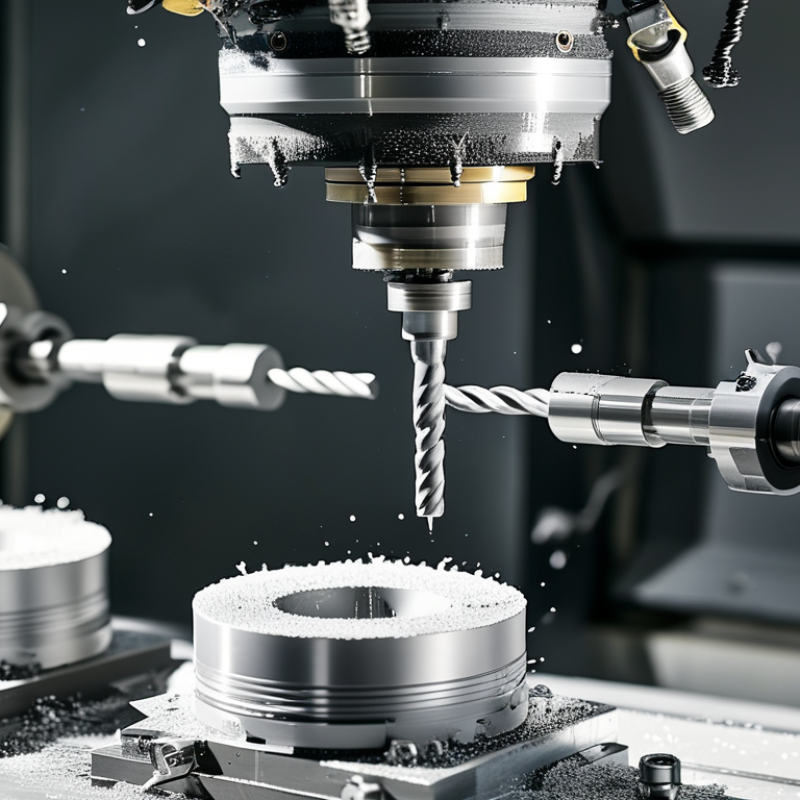
It cuts easily, then fractures without warning. Fine, abrasive dust spreads across the enclosure and settles on exposed machine parts. The particles can enter guideways, spindle seals, and electrical areas. A suitable CNC machine needs rigid motion, stable cutting, and effective dust control.
Choose a fully enclosed machine with sealed guideways and protected ball screws. A dedicated extraction system should capture conductive graphite dust near the cutting zone. Ordinary shop vacuums may return the finest particles into the air. High-efficiency filtration is safer for equipment and operators. Keep airflow controlled. Excessive suction can disturb small workpieces.
Spindle stability also matters.
Carbide tools are common, while diamond-coated tools may last longer in abrasive grades. Sharp edges, shallow engagement, and controlled feeds can reduce edge breakout. Test cuts remain necessary because graphite grades behave differently. My first settings were too aggressive. The surface looked acceptable, but the edges chipped after repeated passes. Regular filter checks, vacuum inspection, and guideway cleaning should be part of daily operation. Dust rarely announces itself.
CNC Machine Types for Graphite: 3-, 4-, and 5-Axis Capability Compared
What Is the Best CNC Machine for Graphite?
Graphite machining demands rigid structures, sealed guides, and effective dust extraction. Fine particles can enter bearings, encoders, and electrical cabinets. The U.S. Geological Survey’s 2024 Mineral Commodity Summaries reports continuing growth in graphite demand, especially for energy and industrial applications. That growth increases pressure for cleaner, repeatable electrode production.
3-axis CNC Machine
A 3-axis CNC machine suits flat electrodes, simple cavities, and open profiles. It usually offers lower programming costs and easier maintenance. A 4-axis machine adds rotary positioning, helping machine cylindrical electrodes and multiple faces without repeated clamping. This can reduce alignment errors. Small improvement.
5-axis CNC Machine
A 5-axis machine is better for deep cavities, angled surfaces, and complex electrode geometry. Simultaneous motion can shorten setups and improve tool access. However, it demands stronger post-processing, careful calibration, and disciplined collision control. A 5-axis machine is not automatically the best choice. Poor dust management can still ruin accuracy.
Grand View Research’s graphite market analysis projects sustained market expansion through the decade, while industry machining surveys continue to emphasize automation and higher uptime. Those trends support multi-axis investment, but shop data matters more than headlines. Measure electrode complexity, annual volume, allowable runout, and extraction performance before choosing. A well-enclosed 3-axis system may outperform an unsuitable 5-axis machine.
Selecting Spindle Performance: 18,000–30,000 RPM for Graphite Cutting
For graphite machining, spindle speed is a process decision, not a marketing number. A useful range is 18,000–30,000 RPM, especially with small carbide tools. At 6 mm diameter, 18,000 RPM produces about 339 m/min cutting speed. At 30,000 RPM, it reaches roughly 565 m/min. The higher setting can improve edge quality, but it also increases heat, vibration, and dust movement.
The 2024 U.S. Geological Survey Mineral Commodity Summaries identifies graphite as a critical industrial mineral, supporting demand for precise electrode and mold production. However, graphite dust is highly abrasive. A spindle should provide low runout, stable bearings, and consistent torque above 18,000 RPM. Industry machining guidance also emphasizes chip load control, because RPM alone cannot prevent tool failure. For example, a two-flute tool running at 24,000 RPM with a 0.025 mm tooth load needs a 1,200 mm/min feed rate.
In practical shop testing, 24,000 RPM is often a sensible starting point for a 6 mm tool. Increase speed only after checking tool wear, surface texture, and dust evacuation. Large tools may need lower RPM. Small tools may need 30,000 RPM. The best CNC machine is not simply the fastest one. It is the machine that holds speed under load and keeps runout predictable. One limitation remains: published cutting data varies widely by graphite grade, tool coating, and coolant policy. Trial cuts still matter.
Diamond Tooling and Wear: Why PCD and Carbide Tools Matter
What Is the Best CNC Machine for Graphite?
The best CNC machine for graphite needs rigidity, stable spindle control, and effective dust extraction.
Graphite cuts easily, but its particles are highly abrasive. They can enter guides, bearings, and electrical components. A powerful spindle alone is not enough.
PCD tooling is often the strongest choice for extended production.
Its diamond particles resist abrasion and maintain a sharp cutting edge for longer periods. This helps preserve pocket dimensions and surface quality. However, PCD tools cost more and dislike vibration, impact, and excessive runout. A rigid machine and precise tool holding are essential. Small setup errors can become expensive.
Carbide tools remain useful for prototypes, short batches, and difficult-to-predict work.
They are easier to obtain and less costly to replace. Use polished carbide with suitable flute geometry and avoid rubbing. That assumption is costly. Dull edges create heat, dust, and uneven walls.
My early preference was always PCD, but that view was too simple.
Carbide can be the more practical option when tool changes are frequent. Inspect the cutting edge under magnification, even after a short cycle. Track wear, spindle load, and dimensional drift. Keep extraction close to the cutting zone. A machine that cuts graphite cleanly today may still need better sealing tomorrow.
Dust Extraction and Accuracy: Micron-Level Control in Graphite CNC Workflows
Choosing the best CNC machine for graphite begins with dust control, not spindle speed. Graphite powder is fine, conductive, and able to settle inside guides, cabinets, and electrical enclosures. In a workshop, I look for a sealed cutting area, negative-pressure extraction, and filtration suited to very fine particles. A grounded extraction path also helps manage static buildup. Airflow must capture dust at the tool, before it spreads across the table. A clean machine lasts longer.
Accuracy depends on more than a small stated tolerance. Thermal stability, rigid linear motion, tool runout, and fixture repeatability all affect micron-level results. During setup, I verify runout with a precision indicator and measure the workpiece after dry passes. Vacuum fixtures can reduce movement, but their seals need regular inspection. Even a slight leak may pull dust into unwanted areas. Coolant is often unsuitable for graphite, so dry machining requires disciplined extraction and housekeeping. That assumption deserves review.
The control system should support low-vibration cutting, consistent feed rates, and measured offsets. Operators should record temperature, tool wear, and inspection results for each batch. This creates evidence, not guesswork. Still, perfect micron control is an ambitious phrase. Graphite grades vary, tools wear unevenly, and dust can hide small errors. I would rather accept a slower cycle than trust an unverified tolerance. A practical choice balances enclosure design, extraction performance, calibration access, and operator skill.