What is CNC Machining and How Does it Benefit Your Business?
CNC Machining has revolutionized manufacturing processes globally. According to a recent report from MarketsandMarkets, the CNC machining market is expected to grow from $63 billion in 2021 to over $100 billion by 2026. Such growth highlights its importance in enhancing efficiency and precision across various industries.
Businesses are increasingly adopting CNC machining for its ability to produce complex parts with utmost accuracy. For example, a precision requirement of ±0.001 inches can be consistently met. This capability minimizes waste, as high accuracy reduces the likelihood of errors in production. However, transitioning to CNC involves significant initial investment. Companies must weigh short-term costs against long-term benefits.
Furthermore, the technology offers flexibility in production. CNC machines can quickly adapt to changes in design or production volume, supporting custom orders effectively. Yet, this adaptability might also lead to challenges in workforce training. Skilled operators are crucial for maximizing the benefits of CNC Machining. Ultimately, while the technology promises substantial advantages, businesses need to consider their readiness for such a transformative shift.
Understanding CNC Machining: Definition and Overview
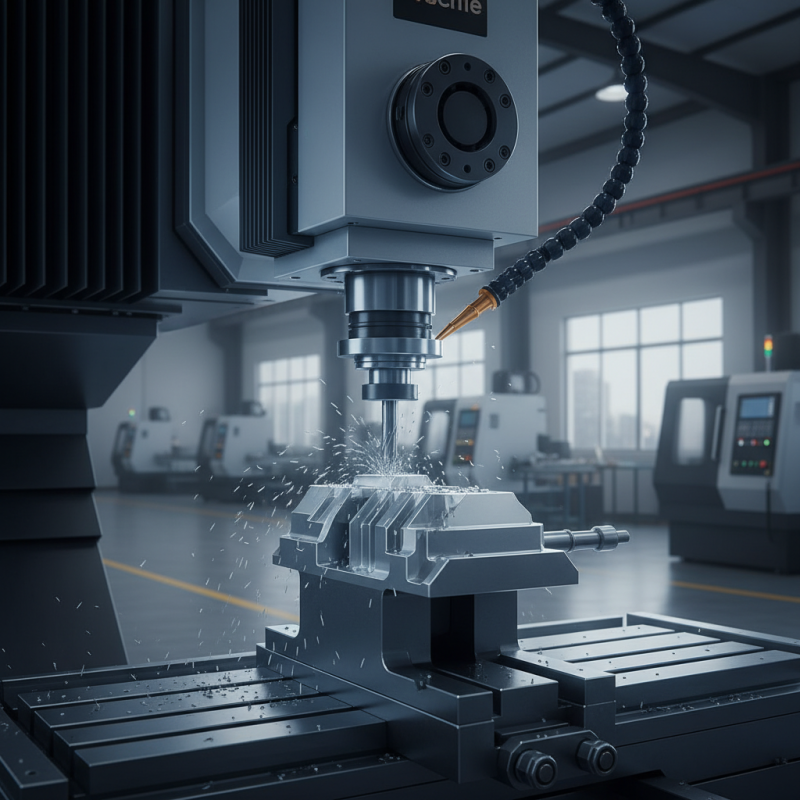
CNC machining is a precision manufacturing process that uses computer-controlled tools to produce parts. This technology transforms digital designs into physical items with remarkable accuracy. CNC stands for Computer Numerical Control, emphasizing the automation aspect of machining. Industries use CNC machines for tasks like milling, turning, and drilling. This method is crucial for creating complex shapes with tight tolerances.
When considering CNC machining for your business, there are essential tips to maximize its benefits. Understanding your material choices is vital. Different materials react differently to machining processes. For example, aluminum is lightweight and easy to work with, while titanium requires special tools. Another key aspect is selecting the right tolerances. Overly tight tolerances can increase costs and lead to delays. Balancing precision with practicality is crucial.
It's important to reflect on the learning curve involved in implementing CNC machining. Training staff on the technology can take time. Some businesses may find initial costs higher than expected. However, the long-term benefits often outweigh these challenges. CNC machining can significantly enhance efficiency and boost product quality if managed well.
The Process of CNC Machining: How It Works Step-by-Step
CNC machining is a precise method for creating parts through computer-controlled processes. This technology has transformed manufacturing across various industries. It takes raw material and shapes it into the desired form using specialized machines. Let's delve into the step-by-step process of CNC machining and understand how it works.
The journey begins with designing the part using CAD software. Engineers create a detailed digital model. This model defines the specifications, dimensions, and features of the part. Next, this design is converted into G-code, a language that CNC machines understand. It's crucial that this code accurately represents the desired product. Mistakes in coding can lead to defects or waste.
Once the code is ready, it is loaded into the CNC machine. The machine uses tools to cut, mill, or drill the material. Each tool moves with incredible precision, thanks to the programmed instructions. During this stage, human oversight remains important. Operators monitor the process to catch any discrepancies. Even minor errors can lead to costly delays. Once completed, the part undergoes testing to ensure adherence to specifications before it moves to the next stage in production.
Key Advantages of CNC Machining for Businesses
CNC machining is transforming how businesses operate. Understanding its advantages can help you make informed decisions. One key benefit is precision. CNC machines can produce parts with exact specifications repeatedly. This leads to improved product quality and reduces waste.
Another advantage is efficiency. CNC machining allows for faster production times. Machines can run continuously, minimizing downtime. This helps businesses meet tight deadlines, especially in competitive industries. Moreover, the automation of CNC machining helps reduce labor costs.
However, it’s essential to recognize the need for skilled operators. While the machines are advanced, human insight is crucial. Errors can occur, and analyzing machine output is necessary. Regular maintenance is also vital to ensure optimal performance. Balancing automation with human oversight can enhance productivity in your operations.
Common Industries Utilizing CNC Machining Solutions
CNC machining has become essential across various industries. Aerospace, automotive, and medical fields widely depend on its precision and efficiency. In aerospace, parts must meet strict safety standards. CNC machines produce components that ensure reliability in critical systems.
The automotive sector benefits significantly from CNC machining. Producing intricate parts for engines and transmission systems allows for increased performance. Many manufacturers rely on this technology to streamline production and reduce waste. However, the transition to CNC processes can be challenging. Skilled operators are necessary, and training can be time-consuming.
In the medical industry, custom parts are often required for devices and implants. CNC machining allows for exact specifications that meet patient needs. Nonetheless, the technology can be expensive, pushing smaller companies to seek cost-effective solutions. Finding balance between quality and budget is vital for success in this sector.
Future Trends in CNC Machining and Business Innovation
The future of CNC machining holds exciting possibilities for business innovation. Emerging technologies, like artificial intelligence and machine learning, are transforming traditional processes. These advancements can enhance precision, reduce waste, and improve speed. For example, AI can analyze production data in real-time, identifying inefficiencies that a human might overlook. This allows businesses to adapt quickly and stay competitive.
Sustainability trends are also influencing CNC machining. More companies are exploring eco-friendly materials and processes. However, not every approach is perfect. Some sustainable materials may not perform well under high-stress conditions. Companies need to balance functionality and environmental responsibility.
Another trend is the push toward greater customization. Customers increasingly seek tailored solutions. CNC machining enables batch production of unique items. Yet, mass customization can lead to complexity in supply chains. Companies must consider the scalability of their operations.
As CNC technology continues evolving, businesses should remain adaptable. Those who embrace innovation while evaluating potential pitfalls will thrive in an increasingly competitive market.
What is CNC Machining and How Does it Benefit Your Business?
| Aspect | Description | Benefits |
| Precision | CNC machining uses computer-controlled tools to achieve high accuracy in manufacturing parts. | Reduces material waste and improves product quality. |
| Automation | CNC machines operate automatically, needing less human intervention. | Increases production efficiency and consistency. |
| Flexibility | CNC machines can easily switch between different tasks and designs. | Allows for rapid prototyping and customization of parts. |
| Cost Efficiency | While initial costs can be high, savings accumulate over time due to reduced labor and material costs. | Long-term savings and profitability are increased. |
| Future Trends | Adoption of AI and IoT in CNC machines for smarter manufacturing. | Improves decision-making and predictive maintenance, enhancing overall efficiency. |




