Why Choose a Hollow Rotary Table for Your Precision Needs?
In the world of precision engineering, selecting the right tools is crucial. Among these tools, the Hollow Rotary Table stands out for its unique features. This rotating platform offers a hollow center, allowing operators to run machining processes without obstruction. By incorporating these tables, manufacturers improve their workflow and achieve higher accuracy.
Hollow Rotary Tables enable better access to the workpiece. This design enhances the ability to handle materials of varying sizes. Their versatility has made them a popular choice in various industries, including aerospace and automotive. Engineers often emphasize the importance of precision, and these tables deliver exceptional results.
However, not every operation requires a Hollow Rotary Table. Some might find alternatives more suited to their needs. It's essential to evaluate your specific requirements before making a decision. The right choice can improve efficiency and quality in production. Choosing wisely leads to better outcomes and fewer production challenges.
Benefits of Using a Hollow Rotary Table in Precision Engineering
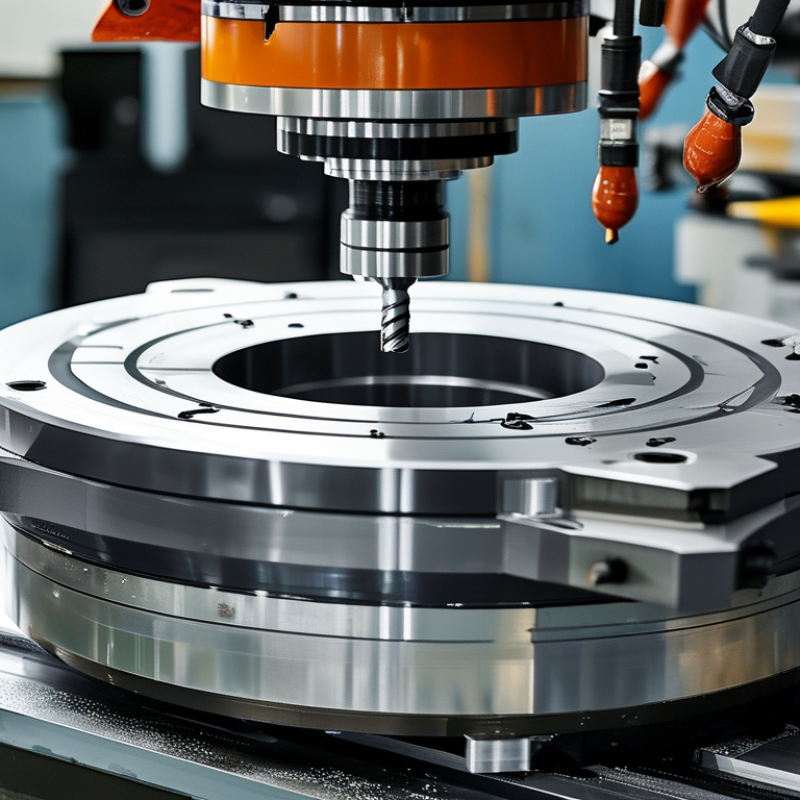
Hollow rotary tables are gaining popularity in precision engineering. Their unique design provides many advantages. One significant benefit is their lightweight structure. This feature allows for improved ease of handling during the machining process. Additionally, operators can achieve higher speed without compromising accuracy. Such functionality is crucial for time-sensitive operations.
Another key benefit is the ability to route cables and pipes through the hollow center. This design minimizes clutter in the workspace, enhancing safety and efficiency. It frees up valuable space, allowing for more organized setups. Precision engineering often requires meticulous arrangements. A hollow rotary table supports this need effectively.
Moreover, these tables can enhance flexibility in machining operations. They can support various components, enabling versatility across different projects. However, some users may find initial adjustments challenging. This requires a learning curve and trial and error. Proper calibration and setup are vital for optimal performance. Investing time in this process pays off with improved results.
How Hollow Rotary Tables Enhance Machining Flexibility and Accessibility
Hollow rotary tables are increasingly crucial in modern machining. Their design enhances accessibility and maximizes flexibility. Operators can load and unload parts easily, even in tight spaces. This convenience allows for quicker setups, reducing downtime. It is a noteworthy factor in busy manufacturing environments.
With a hollow center, these tables accommodate long workpieces. This feature enables more diverse machining operations. For complex components, that is essential. However, challenges exist in balancing setups for different part sizes. Adjustments can be tricky and require careful planning. Operators must be well-trained to manage these situations.
Additionally, while hollow rotary tables offer many benefits, they also have limitations. Not all machines can utilize them efficiently. Compatibility issues may arise, impacting overall productivity. Thus, organizations must assess their specific needs before making a decision. Proper training and experience play a significant role in leveraging the advantages offered by hollow rotary tables.
Why Choose a Hollow Rotary Table for Your Precision Needs? - How Hollow Rotary Tables Enhance Machining Flexibility and Accessibility
| Feature | Description | Advantages |
| Hollow Design | Allows for the passage of coolant, air, or wiring. | Enhances flexibility in design and improves cycle times. |
| Increased Accessibility | Operators can access workpieces more easily. | Reduces setup time and improves ergonomics. |
| Compact Size | Space-efficient design suitable for tight workspaces. | Maximizes floor space and increases workshop flexibility. |
| Rotational Precision | High accuracy in rotation for precise machining operations. | Improves product quality and reduces waste. |
| Versatile Applications | Suitable for various milling, drilling, and engraving tasks. | Adaptable to different industry requirements. |
Key Features to Look for in a Hollow Rotary Table
When selecting a hollow rotary table for precision machining, several key features are essential. Firstly, consider the size and weight capacity. A hollow rotary table should support your specific workpieces without compromising stability. Look for one that allows for smooth rotation and accurate positioning.
Another critical feature is the precision of the indexing mechanism. Higher precision means less rework and better final products. Pay attention to the resolution and repeatability of the table. Well-designed gears and bearings contribute significantly to the accuracy of the setup.
**Tips:** Always inspect the build quality. Research the materials used in construction; they greatly affect performance. Additionally, assess the table’s compatibility with your existing machines.
Customization options might be available as well. Features like built-in coolant channels or fixtures for holding workpieces can enhance versatility. Make sure to verify these details during your selection process.
**Tips:** Don’t overlook the importance of after-sales support. Even the best rotary tables might face issues. A reliable manufacturer will offer guidance and parts when needed. This support can save you time and frustration in the long run.
Key Features of Hollow Rotary Tables
Applications of Hollow Rotary Tables in Various Industries
Hollow rotary tables are essential in various industries, providing precision and versatility. Their design allows for the integration of other machinery, enhancing productivity. In the aerospace sector, for instance, these tables are used for machining complex components that meet strict tolerances. A report by Machining Technology Inc. highlighted that manufacturers in this field often achieve a 25% increase in efficiency using hollow rotary tables.
In the medical device industry, precision is key. Hollow rotary tables facilitate the production of intricate parts, such as surgical instruments, with extreme accuracy. According to a recent study published in the Journal of Manufacturing Science, more than 40% of medical device manufacturers have adopted these tables to improve their output quality.
Tips for Successful Utilization: Regular maintenance of hollow rotary tables is crucial. Inspect bearings and drive systems to prevent failures. Also, consider integrating automation systems for enhanced precision. Evaluate your current setup; there may be room for improvement in workflow efficiency.
Comparative Analysis: Hollow Rotary Tables vs. Solid Rotary Tables
When considering rotary tables, the choice between a hollow and a solid design is crucial. Hollow rotary tables offer distinctive advantages that cater to precision needs. They enable easier access for wiring and coolant passages, which enhances productivity. On the other hand, solid rotary tables can be bulkier and less adaptable to specific machining tasks.
One significant benefit of hollow rotary tables is their lightweight nature. This makes them easier to handle and reposition. Maintenance is often simpler, as the hollow center allows for efficient cleaning and inspection. However, users should be mindful of potential stability issues, especially under heavy loads. A solid design provides more rigidity but at the expense of added weight.
Tips: Consider the specific requirements of your projects. Assess if the lighter structure of a hollow table meets your accuracy demands. Look for quality materials that ensure longevity, as not all options deliver the same performance. A few users find that the versatility of hollow designs can lead to unforeseen challenges. An initial preference might shift after experiencing their operational nuances.




